About this solution
Objectives
1. Carry out qualitative and quantitative chemical analyses
Students learn titration, gravimetry and spectrophotometry techniques and the use of measuring instruments (pH meters, conductivity meters, analytical balances), gaining method, precision and mastery of the instruments.
2. Use technical and standards-compliant instruments
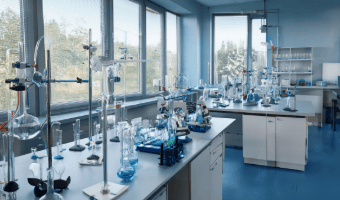
Practical activities involve TLC chromatography equipment, thermostatic shakers, laboratory ovens, distillers and quality control instruments, in line with the practices of professional laboratories.
3. Handle reagents and materials safely
The environment is equipped with fume hoods, ventilated cabinets, personal protective equipment and ergonomic workstations. Students learn to handle substances mindfully and in compliance with current regulations.
4. Process, visualise and communicate experimental data
Calculation and graphing software supports the documentation of analyses and the production of scientific reports. Each student develops skills in data handling and in presenting results.
Learning Aims
1. Learn the experimental method in chemistry
Lab activities are structured to strengthen the skills of observation, analysis, measurement and hypothesis testing, following the scientific method.
2. Consolidate the link between theory and practice
Each stage of lab work links what has been learnt in the classroom directly with hands-on experience, improving understanding of chemical reactions and physical phenomena.
3. Foster responsibility and collaborative work
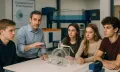
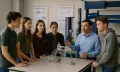
Students work in pairs or groups, manage their workstation, draw up technical documents and follow procedures, developing a collaborative attitude and operational precision.
4. Prepare students for technical careers and industrial laboratories
The equipment is designed to simulate industrial chemical and analytical laboratory environments, helping to develop the operational skills required in the manufacturing, environmental and biotechnology sectors.
Other solutions for: