About this solution
Objectives
1. Carry out environmental analyses of soils and water
Students use kits to determine pH, nitrates, chlorine, hardness, conductivity and soil texture, with the aim of gaining skills in the chemical and physical parameters of ecosystems.
2. Monitor environmental parameters in the field
Using digital instruments (data loggers, sound level meters, anemometers, thermo-hygrometers) and a portable weather station, students record data on climate, noise pollution and air quality.
3. Observe and classify microorganisms and invertebrates
The lab is equipped with monocular microscopes, a binocular microscope for the teacher and kits for observing aquatic macroinvertebrates, useful for assessing biodiversity and the biological quality of the environment.
4. Carry out land surveys with GIS technology
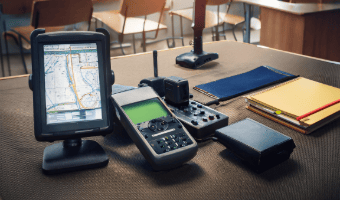
Using handheld GPS units and GIS software (such as QGIS), students learn techniques for mapping, representing and analysing geographical data applied to the study of the land and natural resources.
Educational Aims
1. Educate for sustainability and environmental protection
The lab encourages responsible behaviour towards protecting the environment, offering tools for direct observation and scientific analysis of natural phenomena.
2. Promote interdisciplinary links between science and geography
The activities combine chemical, biological, physical and cartographic aspects, developing a systemic, cross-curricular view of environmental and land studies.
3. Develop surveying, sampling and data reporting skills
Students acquire technical skills in collecting samples, processing data and communicating science through charts, maps, posters and digital presentations.
4. Work safely in natural and laboratory settings
All activities go hand in hand with the correct use of PPE, knowledge of environmental safety rules and waste management in line with good laboratory practice.