About this solution
Objectives
1. Learn plastics production processes
Students try out industrial techniques such as extrusion, injection moulding, thermoforming and FDM 3D printing to produce and shape thermoplastic and thermosetting polymers.
2. Develop technical and scientific skills in materials
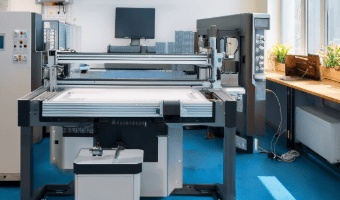
The lab is equipped with instruments for analysing the chemical and physical properties of plastics (analytical balances, viscometers, spectrophotometers, test kits for tensile strength, hardness and impact).
3. Use design and simulation software
The PCs and integrated software (3D CAD, CAM, flow and injection simulation) allow students to develop digital projects and validate their manufacturability through thermomechanical simulations.
4. Promote organisation and safety in technical work
The space is fitted with cabinets for substances, fume extractors, PPE (gloves, goggles, masks) and ergonomic workstations for working safely in a semi-industrial setting.
Educational Aims
1. Prepare students to work in plastics processing and prototyping
The lab provides the knowledge and practical skills needed to handle industrial processes involving the design, production and testing of plastic products.
2. Foster the integration of scientific knowledge and applied skills
Students become familiar with the physics of polymer materials while developing operational skills with machinery and analytical instruments.
3. Promote a culture of sustainable innovation and recycling
With tools for grinding waste and characterising recycled materials, the lab encourages behaviour geared towards sustainability and reducing environmental impact.
4. Strengthen teamwork and production process management
The activities allow students to coordinate tasks, plan processing operations, document results and adopt a dynamic, collaborative lab-based approach.
Other solutions for: