


Abintrax at Didacta Florence 2025
Three days of innovation, relationships and practical project design for the school of the future
on teaching. In an exhibition space conceived as an open lab, we shared with teachers, school heads and trainers
methods, tools and use cases that put technology at the service of learning, from STEM subjects to the
digital and energy transition of schools.
Why we were there
Didacta is where ideas, practices and professional networks meet: a catalyst that turns projects into concrete action.
What we brought
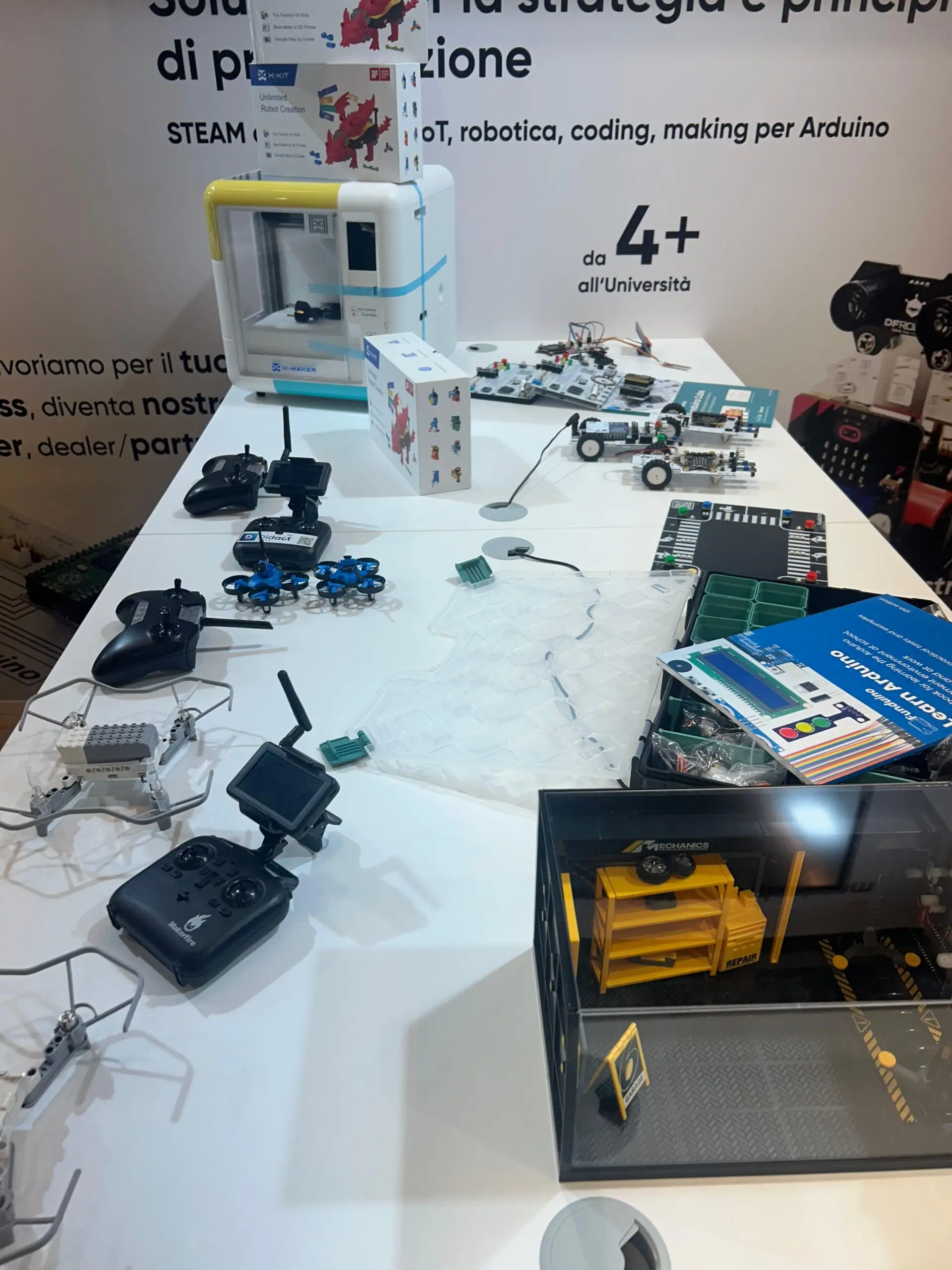
Labs, demos and modular pathways on digital skills, automation, energy control, robotics and data-driven teaching.
What we take home
Valuable feedback, new partnerships and an even clearer roadmap for supporting schools and local communities.
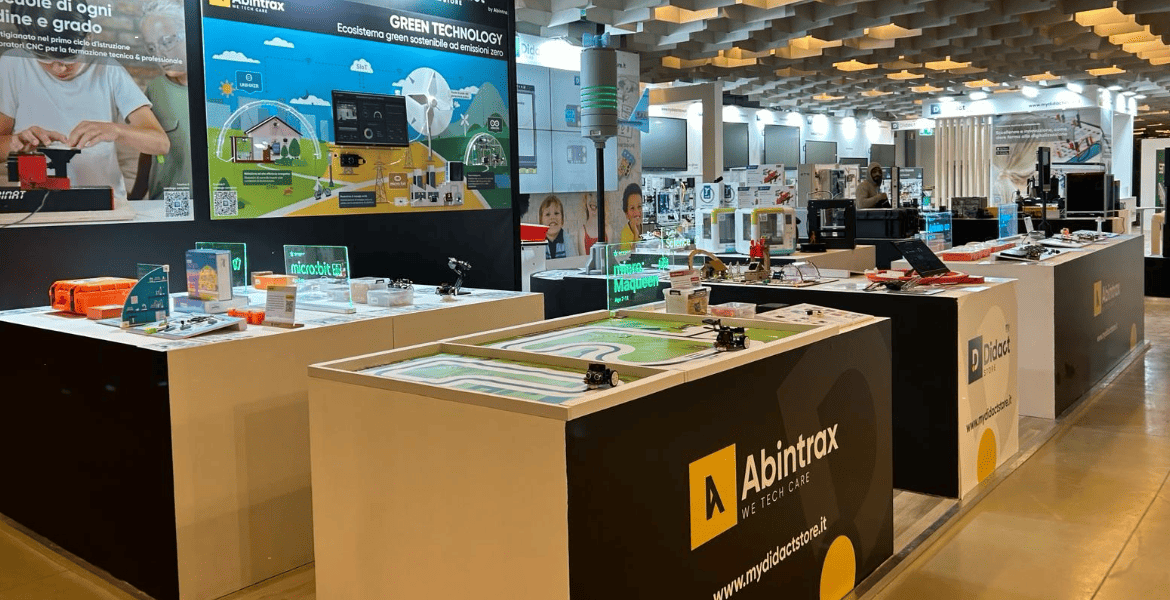
A pavilion as an experiential hub
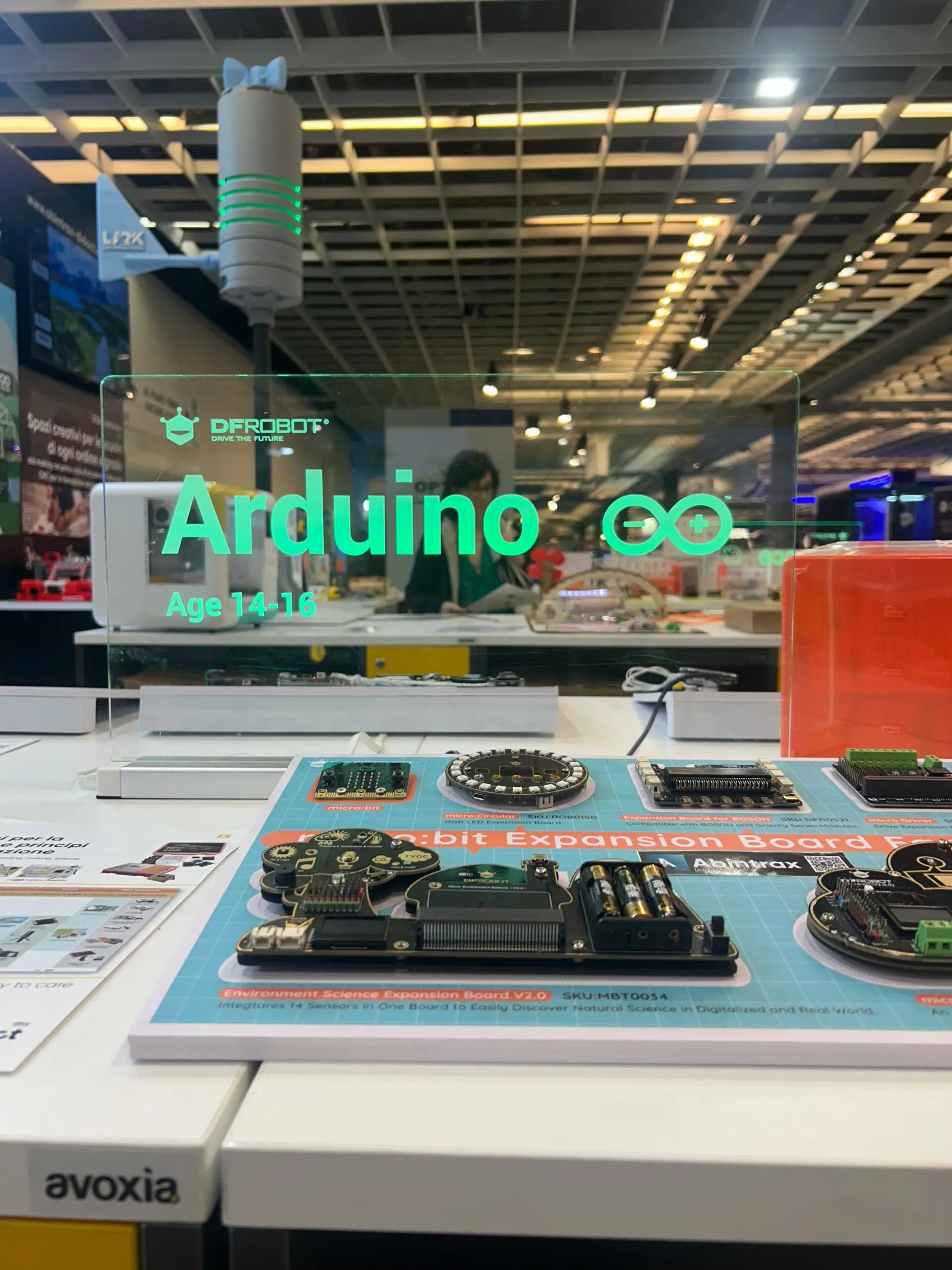
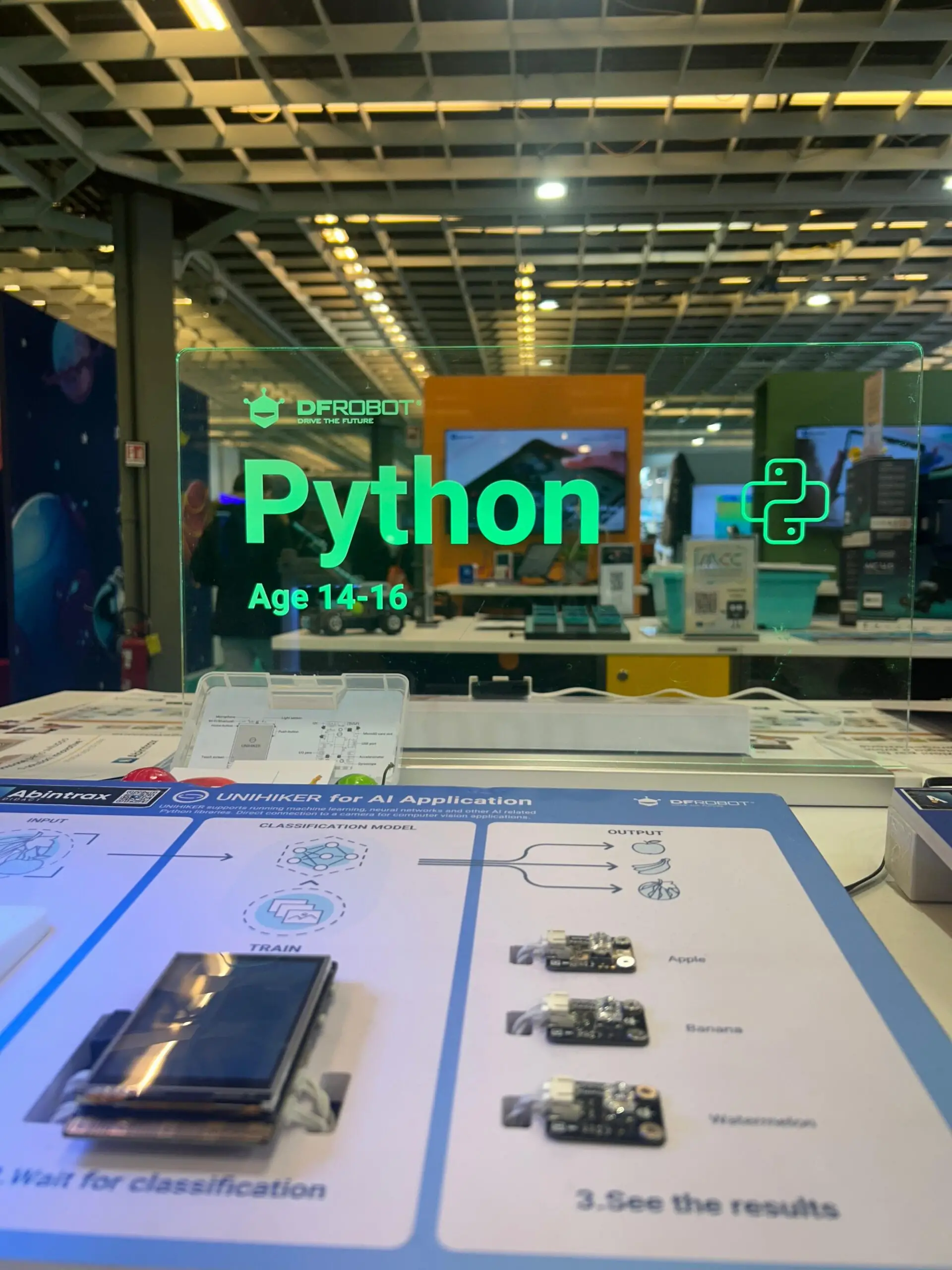
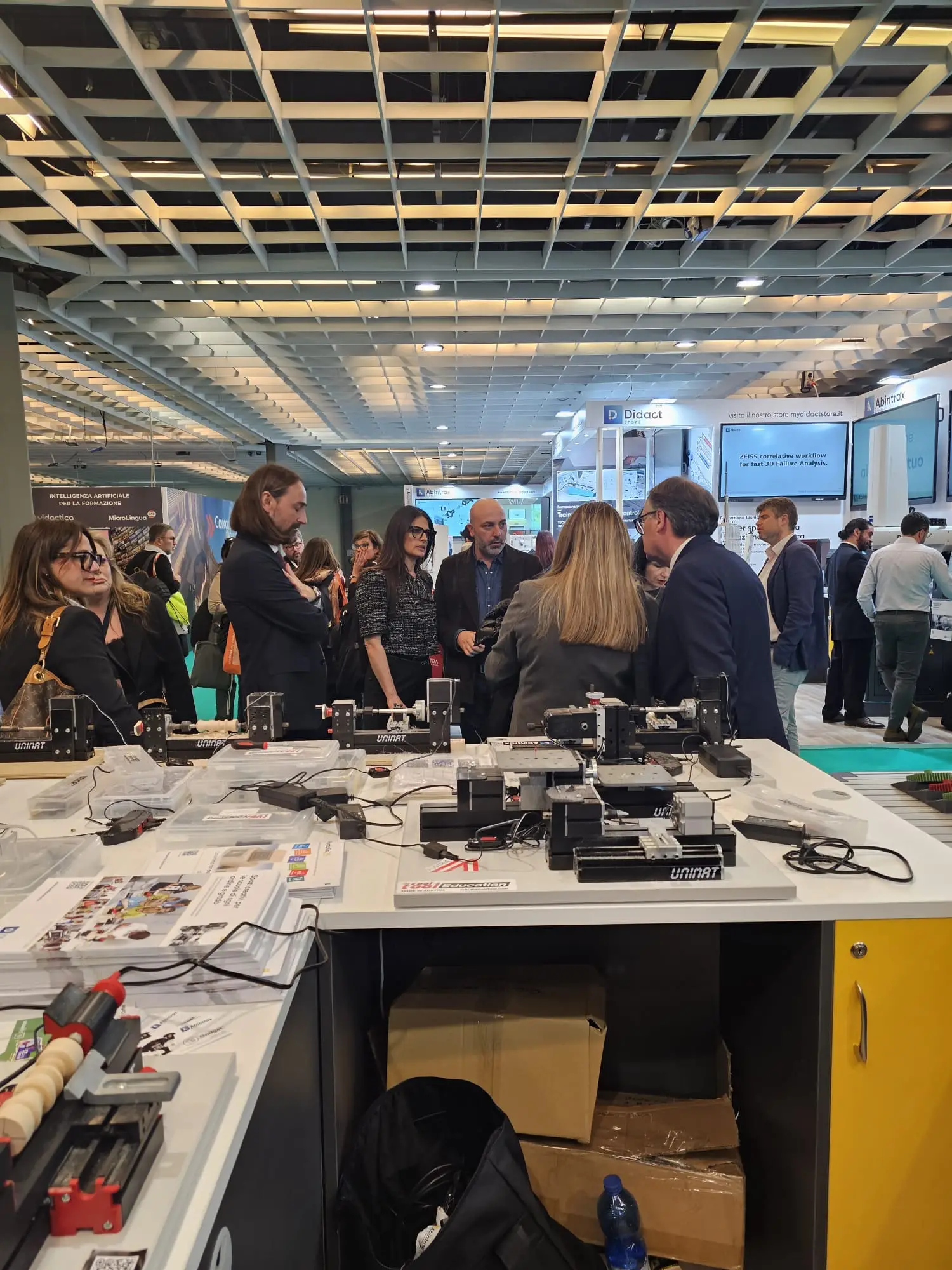
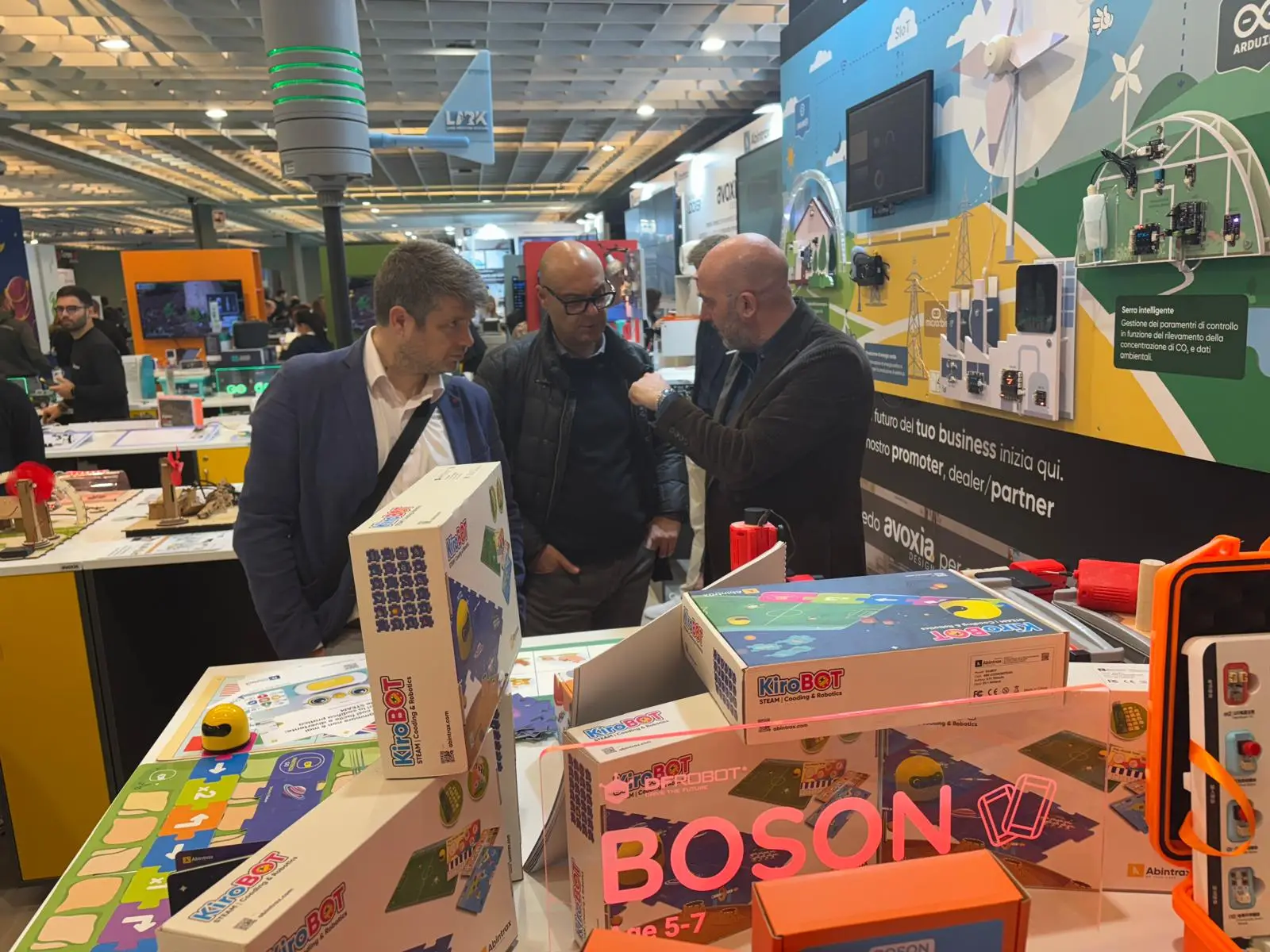
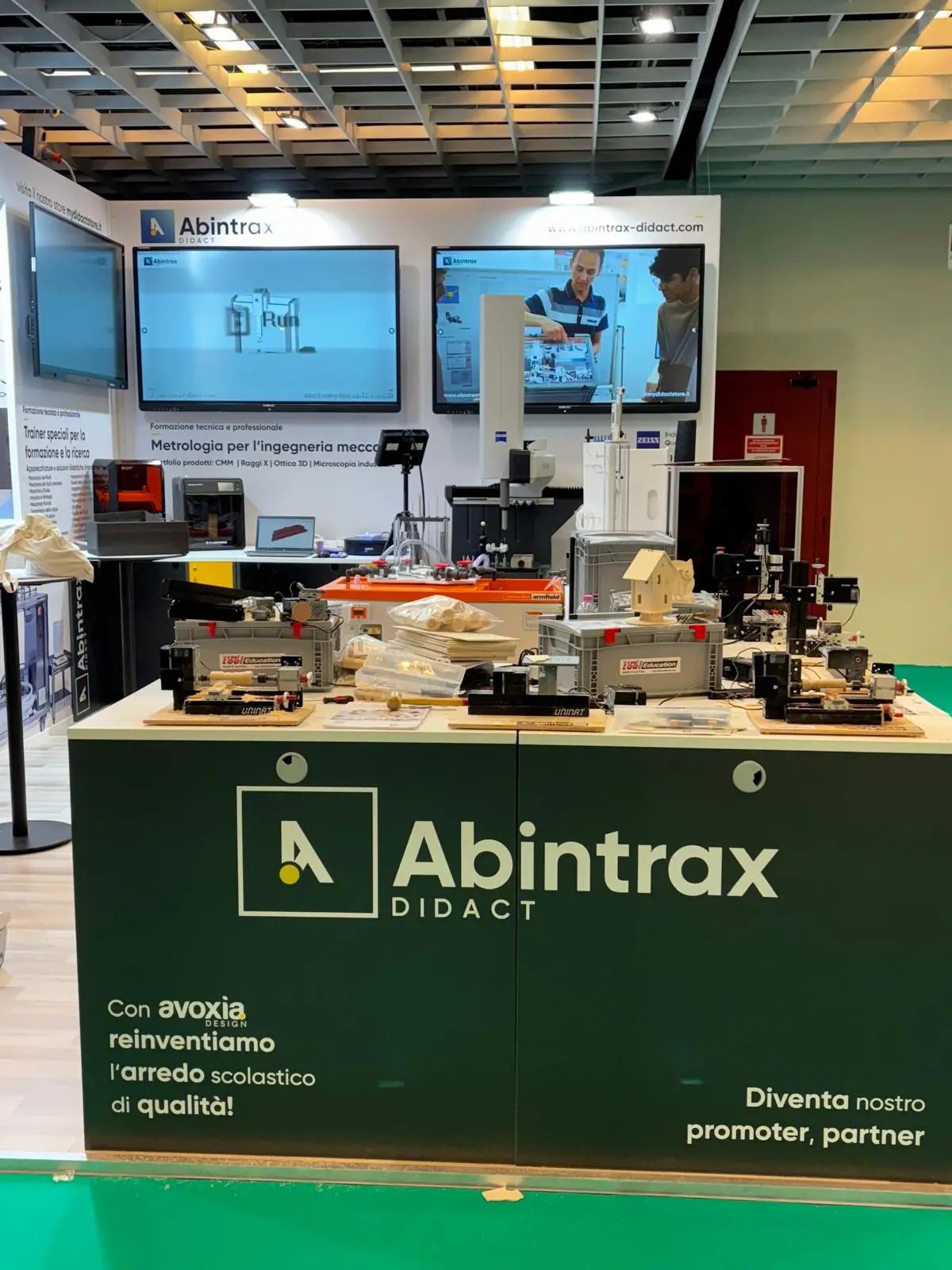
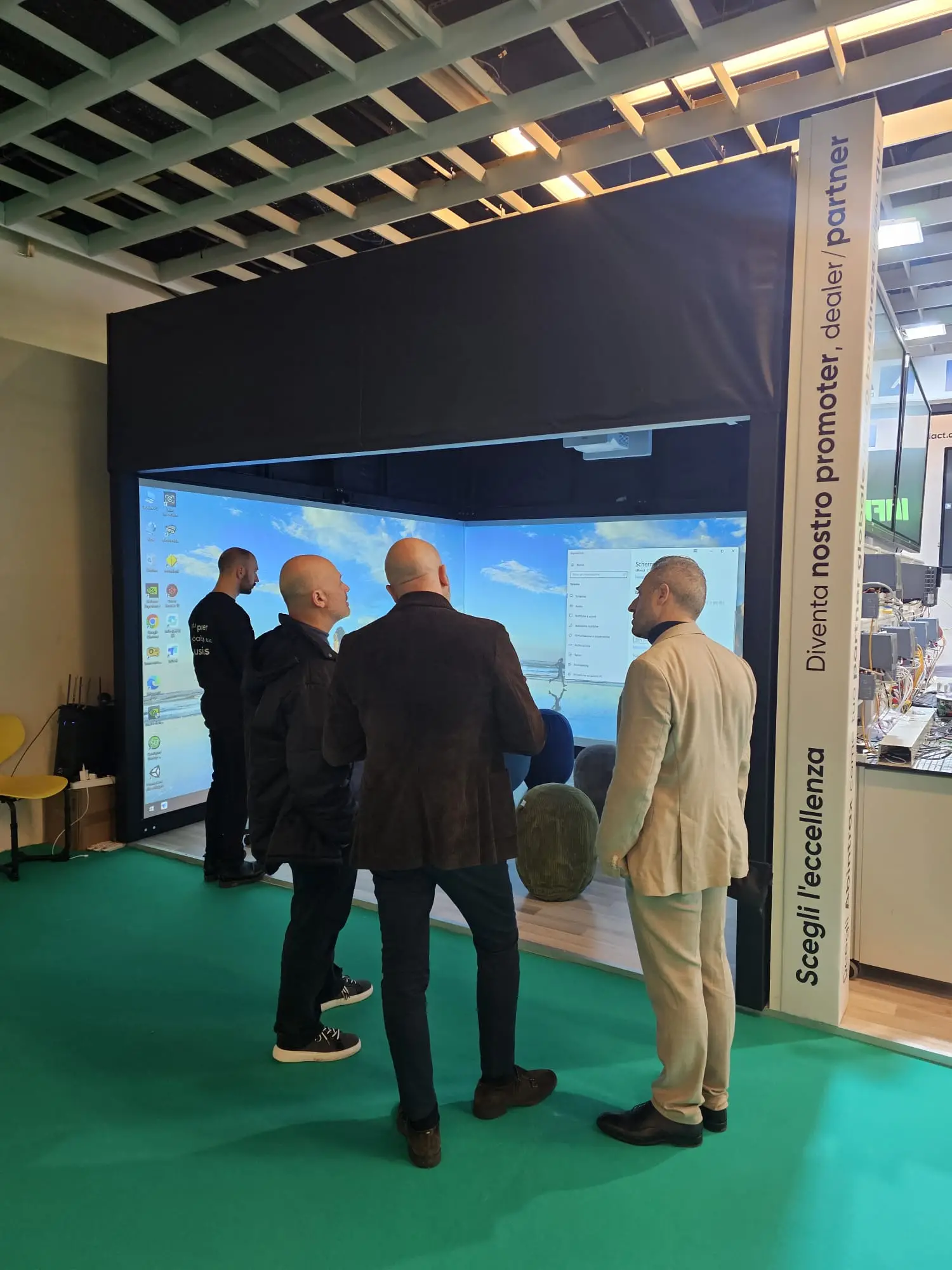
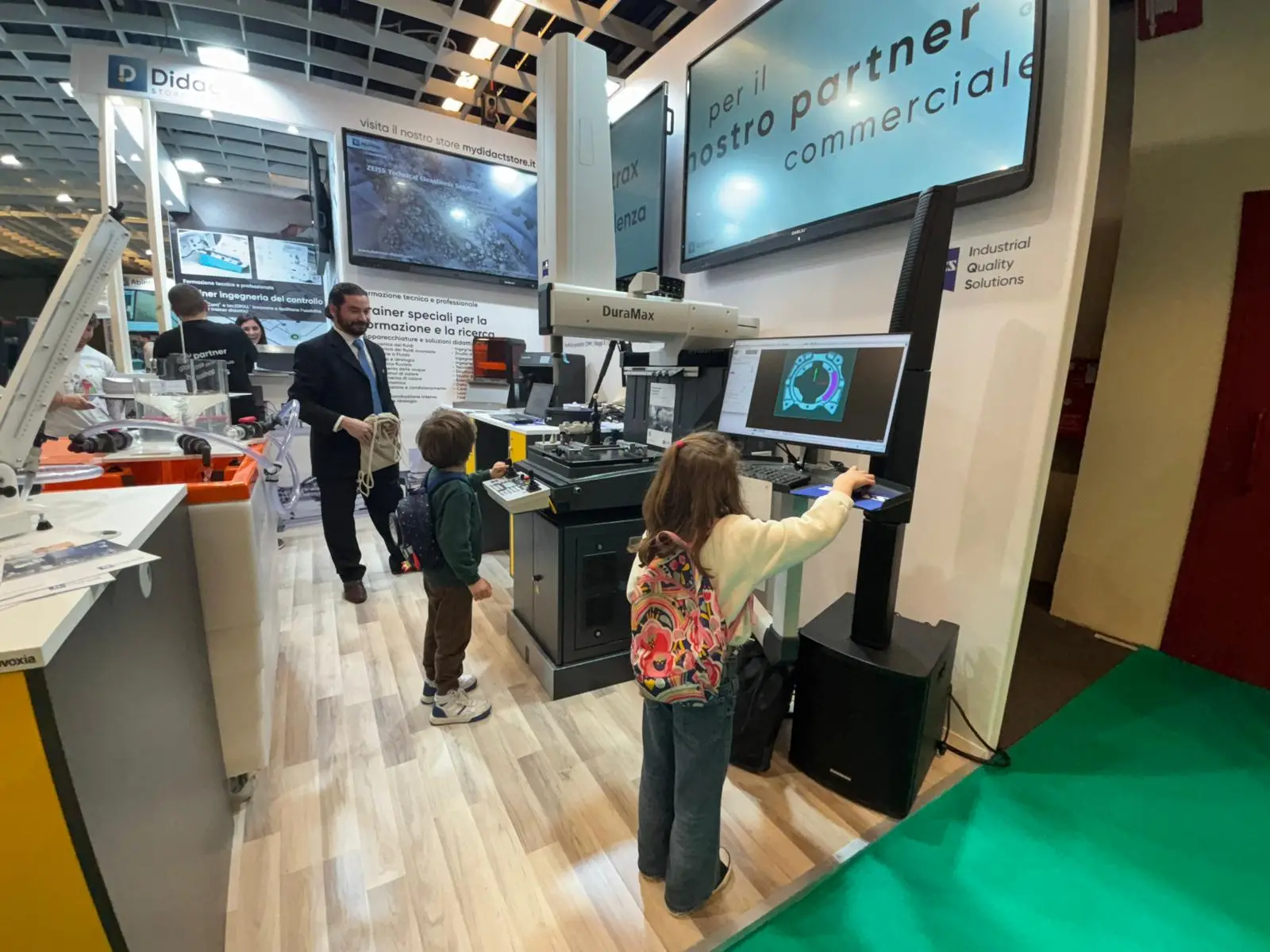
Our stand in the Spadolini Pavilion was designed as an experiential hub: not static showcases, but environments
where visitors could try out hands-on activities, compare solutions and simulate real classroom and lab settings.
Visitors could see first-hand how to integrate devices, content and analytics into
learning units that are effective and measurable.
Teaching that combines theory and practice
We showed how to bridge the gap between theory and practice with ready-to-use modules, teacher documentation and
assessment rubrics. The focus is not on “how new the technology is”, but on how much it improves outcomes:
engagement, independence, problem-solving, collaboration. That is why our pathways are built in levels, with
progressive scaffolding and differentiated activities.
Automation and energy: “tomorrow’s” skills today
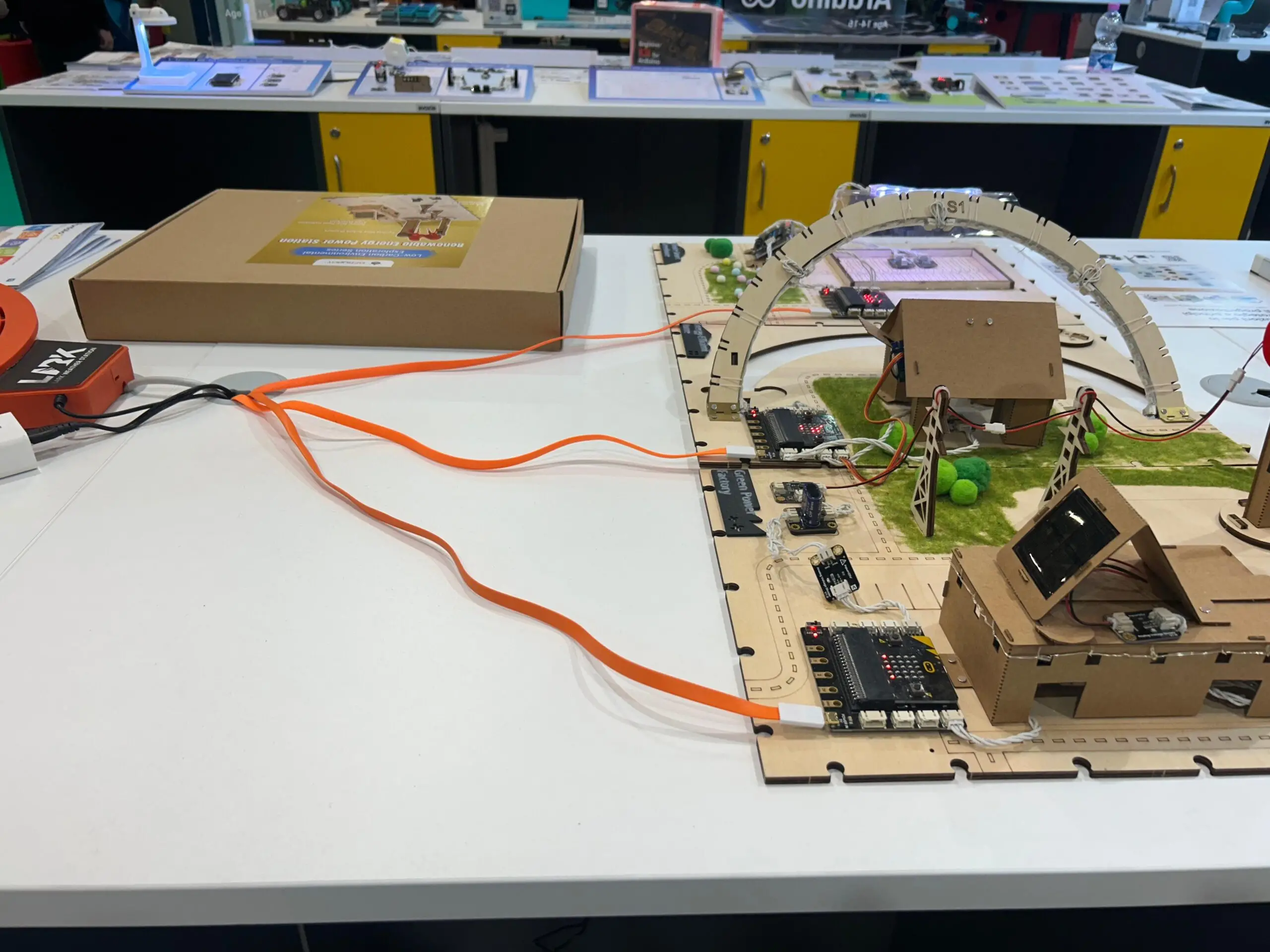
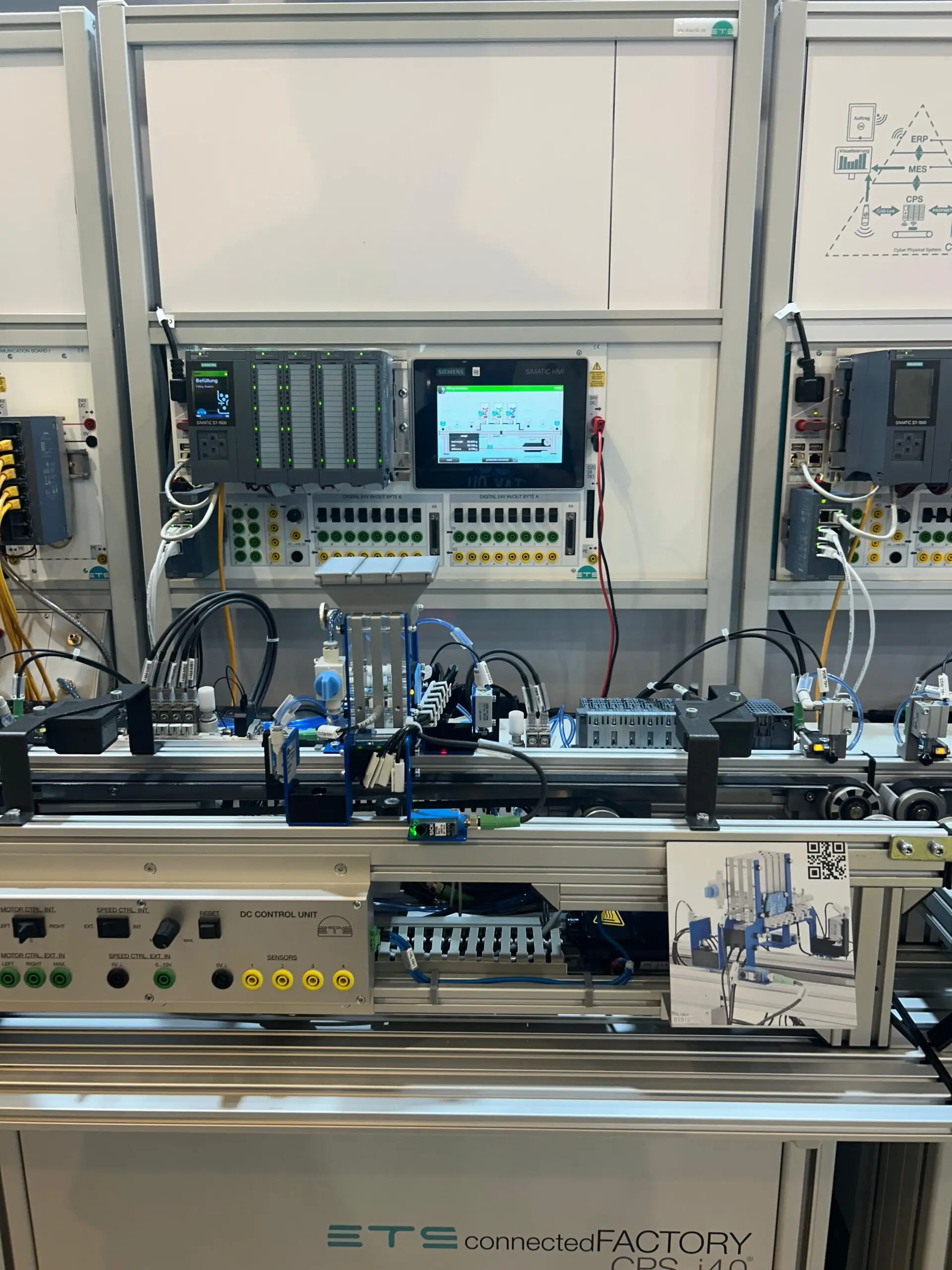
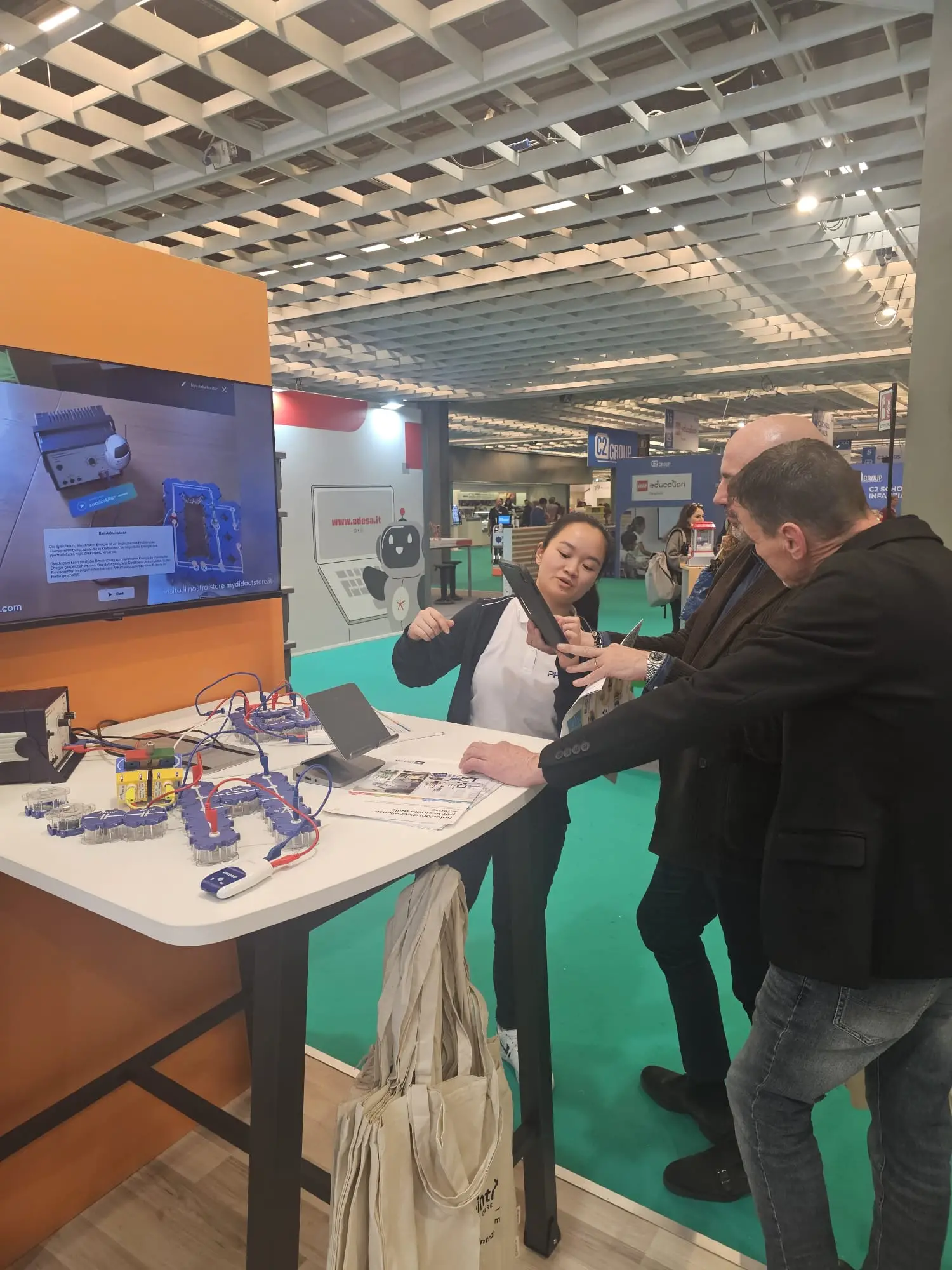
An area dedicated toautomation and energy control showed how schools can work on
smart systems and energy consumption management, with real scenarios and professional tools. The goal is twofold:
marketable skills for students and school projects that improve efficiency and sustainability.
Teacher training as a driver of change
Technology is only an enabler when it goes hand in hand with training. That is why we offer blended pathways with
certifiable micro-modules, communities of practice and hands-on coaching on real cases. Every solution is designed to be adopted
quickly, without adding to schools’ organisational complexity.
Moments, faces, stories
Beyond the numbers, what remains are the relationships: teachers experimenting, school heads planning, curious
students asking questions. During thedrinks reception with partners and schools we gathered needs, ideas and proposals that
have enriched our vision and opened up new opportunities for co-design.
“School is the lab where the future is trained: useful technology, real skills, people at the centre.”
Event gallery
A selection of shots from the three days.
What happens next
Over the coming weeks we will turn the meetings in Florence into work plans with schools and school networks: analysis of
needs, educational design, equipment and training. If you would like to find out more or co-design a tailor-made pathway for your
setting, write to us: we are ready to build it together.
Stay up to date
Find out about dates, fairs and news on innovative teaching.