About this solution
Objectives
1. Carry out chemical and biological analyses in the lab
Students learn to use laboratory instruments such as spectrophotometers, autoclaves, hot plates and stirrers to carry out analytical tests, cell cultures and microscope observations.
2. Apply microbiology and molecular biology protocols
Activities include preparing plate cultures, extracting DNA, using the thermal cycler for PCR and electrophoretic analysis. Students become familiar with advanced methods and instruments.
3. Develop practical and operational skills
Each workstation is equipped for individual practical exercises, using micropipettes, glassware, reaction kits and measuring devices, to encourage precision, autonomy and operational responsibility.
4. Integrate digital tools for monitoring and analysis
Dedicated software makes it possible to collect, display and interpret laboratory data. Teachers and students use image analysis platforms, display monitors and tools for comparing experimental results.
Educational Aims
1. Apply experimental methods in science courses
The lab enables students to turn theoretical knowledge into practical activities, strengthening the scientific method and the ability to document observable and measurable results.
2. Promote safety and responsibility in science
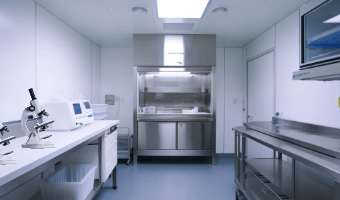
Every activity is carried out following safety protocols, with individual and shared equipment (eyewash stations, fume hoods, safety cabinets), promoting good laboratory practice.
3. Prepare students to use professional instruments
Students practise with real laboratory instruments, similar to those used in analysis, research or industrial production laboratories, acquiring appropriate technical and operational vocabulary.
4. Develop methodological rigour and analytical skills
Documenting experimental activities, processing the data collected and interpreting the results foster the development of critical thinking and the ability to solve complex problems.
Other solutions for: