

Cross-section of a plant ovary
Prezzo su richiesta
Flowers exist in an unimaginably great variety.
Acquistabile con i fondi degli avvisi attivi — ti aiutiamo a individuare il bando giusto per la tua scuola.
- Scuole, via libera al raffrescamento: finanziate 6.342 istituzioni con oltre 3.100 euro a testa174 giorni
- DM 38/2026 – Acquisto dispositivi digitali, libri e sussidi didattici
- Fondi PNRR per scuole superiori: fino a 600.000 euro per laboratori STEM e multilinguismo
Descrizione
Principio
Flowers exist in an unimaginably great variety. In nature, in the garden, or in a flower shop you will find flowers in all colors. The parts of a flower so conspicuous to us are the petals. They predominantly serve to attract animals. Other parts of the flower are of importance when seeds develop. The male organ of reproduction is the stamen with the yellow pollen; the female reproductive organ is the carpel which is located in the center of the flower. The upper part of the carpel is the style which takes up the pollen. The lower part is thickened and is referred to as the ovary. It contains the ovule. Frequently, several carpels grow together (syncarpous).
Vantaggi
- Experiment is part of a complete solution set with a total of 50 experiments for all microscopy applications
- With student worksheet, appropriate for all class levels
- With detailed instructor information, incl. sample microscopy image
- Optimized for tight schedules, i.e. minimum preparation time required
- Microscopy solution set specifically designed to include all required accessories
- Content available with matching multimedia files
Informazioni aggiuntive
| Livello scolastico | Classi 5-7, Classi 7-10 |
|---|---|
| Destinatari | Studenti |
| Tipologia | Esperimento |
Prodotti correlati
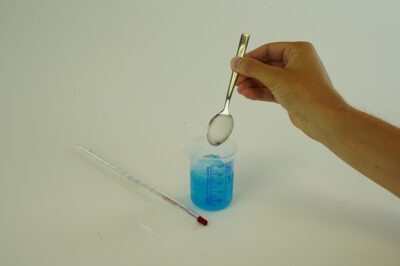 Esperimenti per principiantiAbbassamento del punto di fusione con saleIn questo esperimento, gli studenti osservano l’effetto del sale sul punto di fusione dell’acqua utilizzando un…● A magazzinoMEPA9909201ABXPrezzo su richiesta
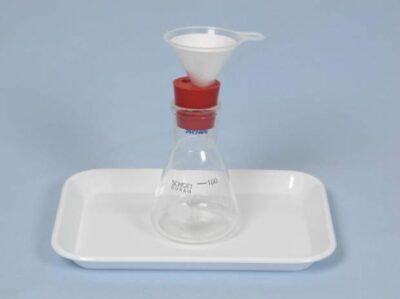 Esperimenti per principiantiAcqua pulitaArticolo PHYWE, codice fornitore P9161400. Categoria: Esperimenti per principianti.● A magazzinoMEPA9909186ABXPrezzo su richiesta
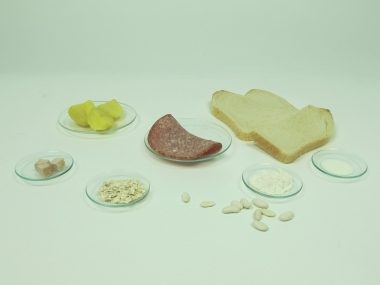 Esperimenti per principiantiAmido contenente sostanze nutritiveUno dei nutrienti più importanti contenuti nei nostri alimenti è l’amido. Appartiene ai carboidrati.● A magazzinoMEPA9909139ABXPrezzo su richiesta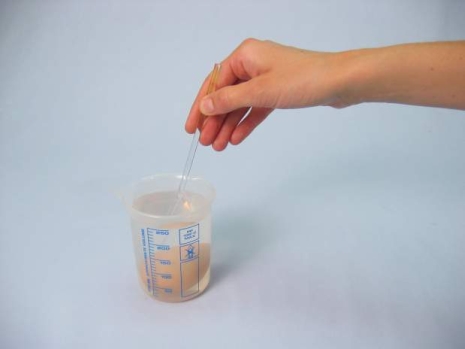
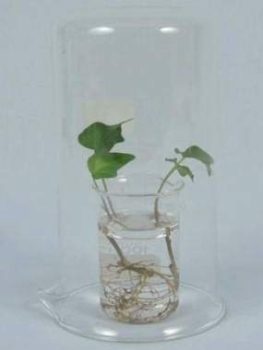 Esperimenti per principiantiAppassimento delle pianteLe piante perdono acqua attraverso l’evaporazione. Il processo di avvizzimento è causato dalla mancanza di pressione…● A magazzinoMEPA9909130ABXPrezzo su richiesta
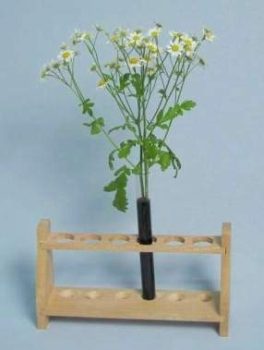 Esperimenti per principiantiApprovvigionamento idrico delle pianteLa pianta assorbe acqua e nutrienti inorganici con le radici, che devono essere trasportate dalle radici…● A magazzinoMEPA9909133ABXPrezzo su richiesta
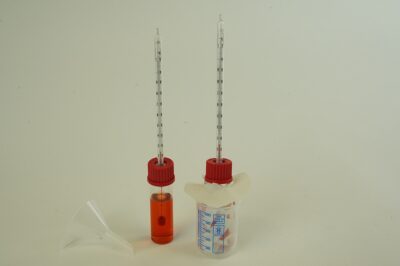 Esperimenti per principiantiAria (piume) come isolante termicoIn questo esperimento, gli studenti osservano il raffreddamento dell’acqua calda in due barattoli con tappo a…● A magazzinoMEPA9909197ABXPrezzo su richiesta
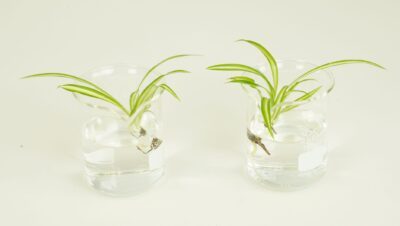 Esperimenti per principiantiAssorbimento dei minerali da parte delle pianteLe piante assorbono i componenti minerali attraverso le radici dal terreno e li trasportano alle foglie.…● A magazzinoMEPA9908924ABXPrezzo su richiesta
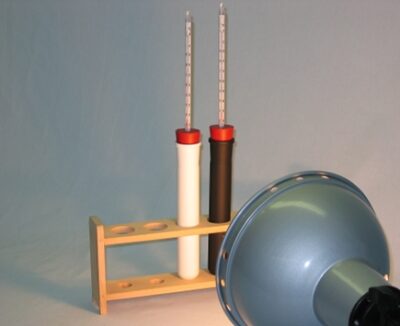 Esperimenti per principiantiAssorbimento della radiazione termica (luce)Illuminata con la luce di una lampada con riflettore da 120 W, l’aria nella provetta nera…● A magazzinoMEPA9909203ABXPrezzo su richiesta
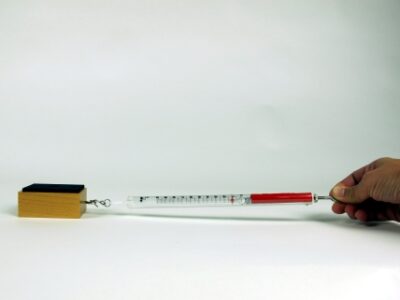 Esperimenti per principiantiAttrito durante il movimentoGli studenti osservano la forza che deve essere applicata quando si tira una massa con diverse…● A magazzinoMEPA9908830ABXPrezzo su richiesta