Informazioni sulla Soluzione
Lab Objectives
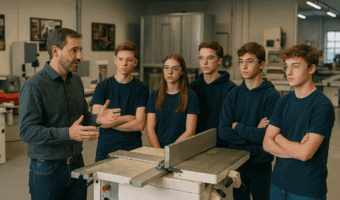
- Knowledge of machine tools. Become familiar with the technical and functional features of the main woodworking machines (e.g. tilting circular saw, spindle moulder, surface planer and thicknesser, sander, multiple boring machine, etc.).
- Developing operational skills. Learn to use the machines correctly and safely, acquiring specific operational skills for each machine in the lab.
- Interpreting technical data sheets. Learn to read and interpret technical specifications and functional data for the equipment, so that it can be selected and managed correctly for the work to be carried out.
- Workplace safety. Develop awareness of the importance of safety regulations, learning to recognise protective devices, emergency features and good practice when using the machines.
- Managing the production process. Understand how each machine fits into the production flow, from preparing the raw workpiece to finishing, promoting an integrated view of the woodworking cycle.
Educational Aims
- Technical and professional training for students or operators through hands-on activities on real machinery, preparing them to enter the world of work in the carpentry and furniture sector.
- Promoting operational autonomy through direct experience, developing manual dexterity, precision and responsibility in handling equipment.
- An integrated methodological approach combining theory and practice: the analysis of technical data sheets goes hand in hand with practical exercises, promoting conscious and lasting learning.
- Promoting technical culture and industrial craftsmanship, recognising the value of technical skills in the production chain.
Conclusion
Using the machines listed in this teaching module offers a concrete opportunity to acquire specific skills in woodworking, while also developing essential transferable skills: technical reading, operational management, attention to safety and teamwork. Through this pathway, students or operators will be able to approach the carpentry profession with greater awareness and preparation, making a qualified contribution to the efficiency and quality of the production process. This solution includes technology systems that support inclusion and equal opportunities through the use of innovative teaching methods. It is designed to promote active and collaborative learning.
Other solutions for: